Build the Interface, Buy the Trust: Our Fintech Meetup Europe 2026 Recap
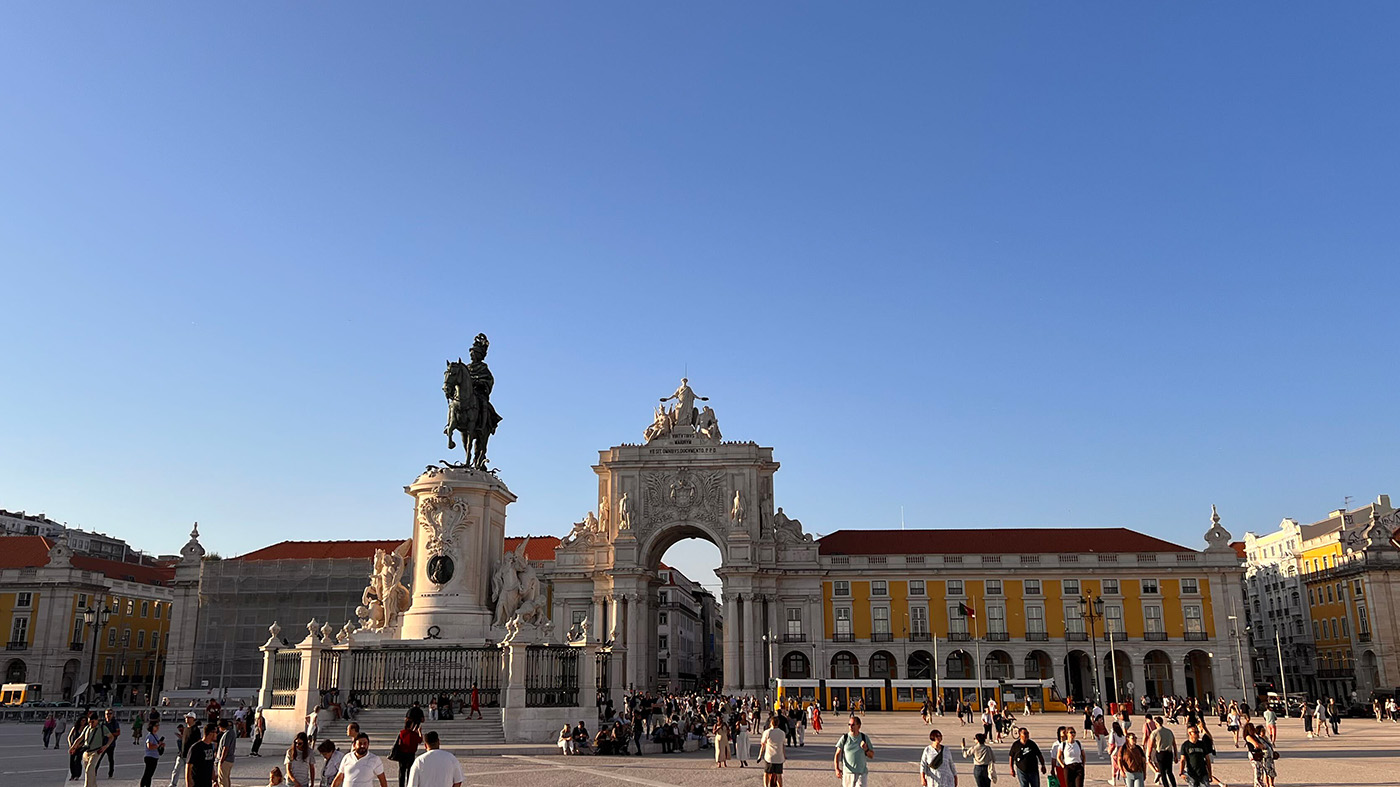
Earlier this autumn, the Business Development team from 542 Digital headed to Lisbon, Portugal for Fintech Meetup Europe 2026 - a 3-day gathering of senior leaders from Fintech, banking, payments and commerce. Over 1,300 attendees were registered, and the pitch was simple: every meeting guaranteed, no wandering the floor and hoping.
The Business Development team from 542 Digital went to test that promise. We came back with a packed notebook, sore feet, and a message that kept repeating in sessions and meeting rooms alike: banks are increasingly happy to build their own interfaces. What they still need to buy is data they can trust.

Guaranteed Meetings, Tested
We comfortably exceeded the number of meetings the contract promised, and the team’s verdict was that it was “bloody exhausting”. It’s closer to speed dating than networking: short, focused and back-to-back. That works well if you’ve done your homework on who you’re meeting and what they might need.
The catch is that a guaranteed slot is only guaranteed on paper. Some of the CEOs and COOs we’d lined up never arrived at the event, and their meetings vanished with them. If you go, book early and build in slack for no-shows.

Banks Build. Trust Still Gets Bought
Two sessions framed what we heard everywhere else:
Banks Used to Buy. Now They Build. What Does That Leave for Fintech? tackled the shift head on. AI and cloud tooling have made front ends cheap for banks to build themselves. What they can’t build quickly is clean data, deep domain expertise and compliant infrastructure, which take years. Banks haven’t stopped buying; they’ve changed what they buy. The opportunity for fintechs is to supply the parts banks build on, such as data services and connectors that feed a bank’s own AI tools.
Here in MiCAR, will Europe be the safest of all? showed why that matters. The session looked at tokenised assets, and at messaging apps as a potential mass distribution channel for everything from gold to ETFs. The point that stuck: reaching millions of people is not the same as earning their trust. At that scale, holdings, NAV and proof of reserves have to be as visible as the “buy” button.
Put the two together and the picture is clear. Distribution and interfaces are getting cheaper, and anyone can build them. Trust isn’t cheap, and it rests on data that can be verified.

The Same Story in Every Meeting Room
The conversations backed this up:
- Analysts want to ask, not search - Bank teams are buried in feeds, news and restricted datasets. They want one governed layer they can question in plain language, from ChatGPT, Claude or Excel, via MCP.
- Control beats polish - The moment we explained how restricted data can be secured and selectively republished, attention shifted. When licenses are tight, knowing what can leave the building matters more than any chart.
- Messy data is universal - Public bodies have datasets scattered across departments. Banks still run critical processes on spreadsheets. Unglamorous, widespread and fixable.
- Boutiques want partners - Smaller consultancies with gaps in their services were keen on referrals and joint offerings, rather than another supplier relationship.
Problems First, Products Second
If KubeCon taught us to be selective about technology, Fintech Meetup taught us to be selective about pitches. The conversations that went anywhere started with someone describing something that hurt, not with a product demo. Our follow-ups will reflect that: specific, relevant, and written to a person rather than a list. No bulk email blasts.

Worth the Trip?
Yes. The partnerships we found with data and infrastructure firms more than covered the cost. Next time we’d book meetings earlier and plan for a few empty chairs. We’d recommend it to any B2B data, infrastructure or regtech firm looking for partnerships that complement its SaaS offering.
The biggest lesson was the one in the title. The interface is the part everyone can build. The trust underneath it is the part worth buying, and the part worth getting right.